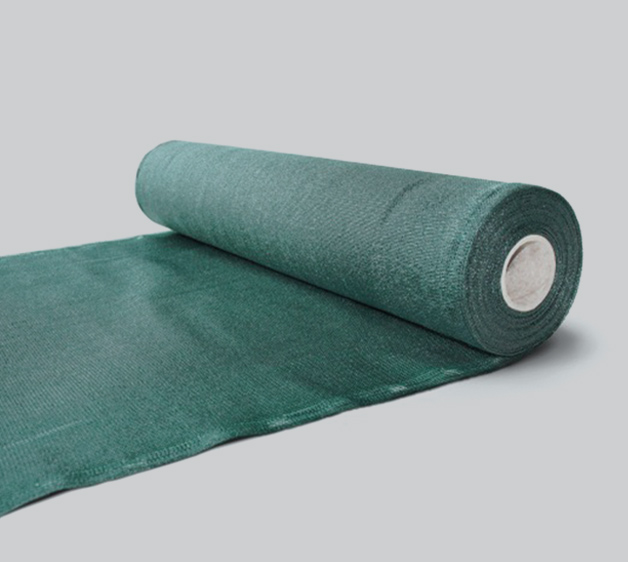
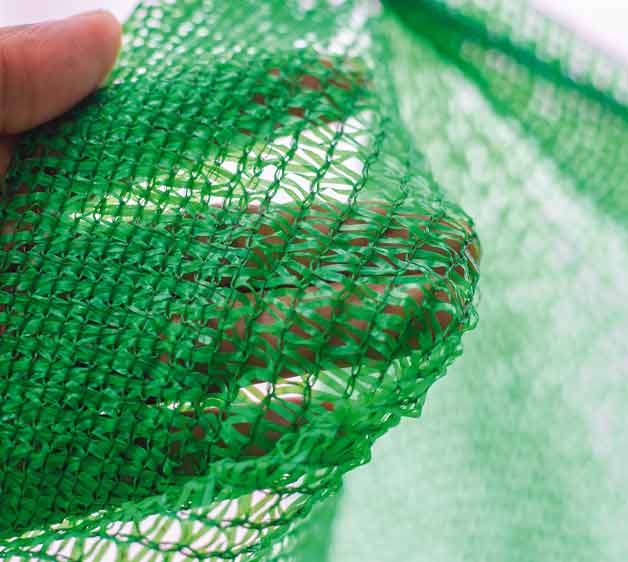
Anti-evaporation net is a key product in water resource management, widely used in agriculture, horticulture, and landscaping. These nets, made from durable polymer materials with a mesh structure, help reduce water evaporation from water sources, farms, and gardens. In many arid and semi-arid regions, water evaporation is one of the major challenges for farmers and growers. Using anti-evaporation nets can significantly help preserve soil moisture, reduce irrigation costs, and increase crop productivity.
These nets are specifically designed for agricultural ponds, water storage reservoirs, canals, farmland, and orchards. Their mesh structure allows proper airflow over the water surface while preventing excessive evaporation. As a result, water resources are preserved for a longer period, reducing the need for frequent irrigation.
Rakhshan Sahand Industrial Development Company, as a manufacturer of plastic nets, offers a wide range of high-quality anti-evaporation nets with strong resistance to various environmental conditions.
Why is the anti-evaporation net important?
In many agricultural regions, especially during hot seasons, water evaporation from water sources becomes a major problem. Using anti-evaporation nets in these conditions can have many positive effects:
🌱 Advantages of anti-evaporation nets:
Reduction of water evaporation: Anti-evaporation nets help reduce water loss from water sources and soil surfaces.
Water conservation: By reducing evaporation, water usage decreases and water can be stored for a longer period.
Soil moisture retention: These nets help maintain soil moisture, supporting better plant growth.
Lower irrigation costs: Farmers and growers can reduce irrigation expenses by using anti-evaporation nets.
⭐ Advantages of using anti-evaporation nets
Using anti-evaporation nets offers many advantages, making them an essential product for farmers and gardeners:
Reduction of water evaporation from water sources and agricultural land
Water conservation and reduced irrigation needs
Longer retention of soil moisture
Lower irrigation and water-related costs
Resistance to harsh environmental conditions such as extreme heat, wind, and direct sunlight
Increased agricultural productivity and improved crop quality
Production of anti-evaporation nets by Rakhshan Sahand Industrial Development Company
Rakhshan Sahand Industrial Development Company, as a manufacturer of plastic nets, produces various types of anti-evaporation nets using high-quality materials for use in agriculture, horticulture, and water resource management. These nets are specifically designed to retain soil moisture and reduce evaporation, ensuring maximum efficiency in hot and dry conditions.
Use of anti-evaporation nets for water resource conservation
In many projects, water management and conservation are major challenges. The use of anti-evaporation nets provides an effective solution for protecting water resources and preventing water loss. In addition to reducing evaporation, these nets help ensure the long-term sustainability and stability of water resources.
Rakhshan Sahand Industrial Development Company
We are dedicated to providing the highest quality products.
طول رول (متر)
Roll Lengths (m)
عرض (متر)
Net Width (m)
رنگ
Color
ضریب سایه اندازی
Shade Rate
50-100
2-3-4-6-8
سبز تیره - سفید - خاکی - آبی
Dark Green - White - Burly Wood - Blue
80%
50-100
2-3-4-6-8
سبز تیره - سفید - خاکی - آبی
Dark Green - White - Burly Wood - Blue
90%
Other shading percentages, colors, and roll lengths can be produced according to customer requirements.
Applications of anti-evaporation nets
Anti-evaporation nets have a wide range of applications and are used in various fields:
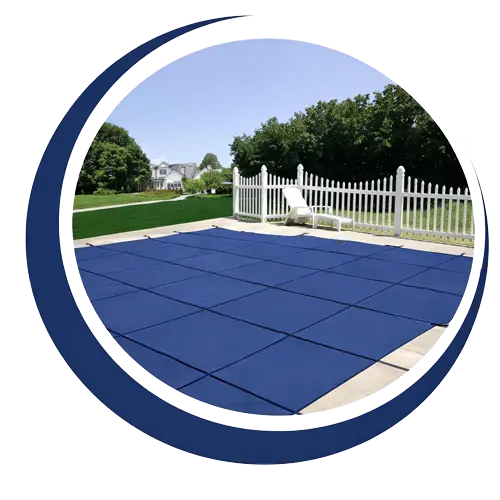
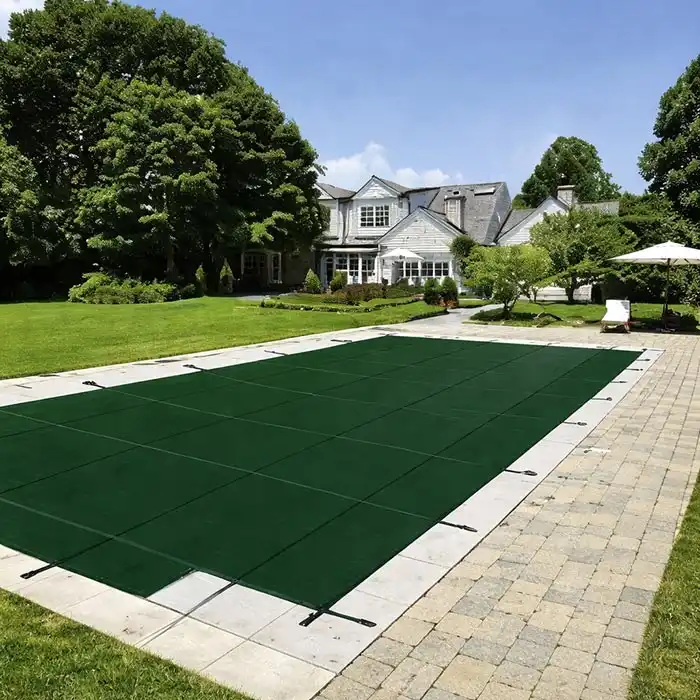
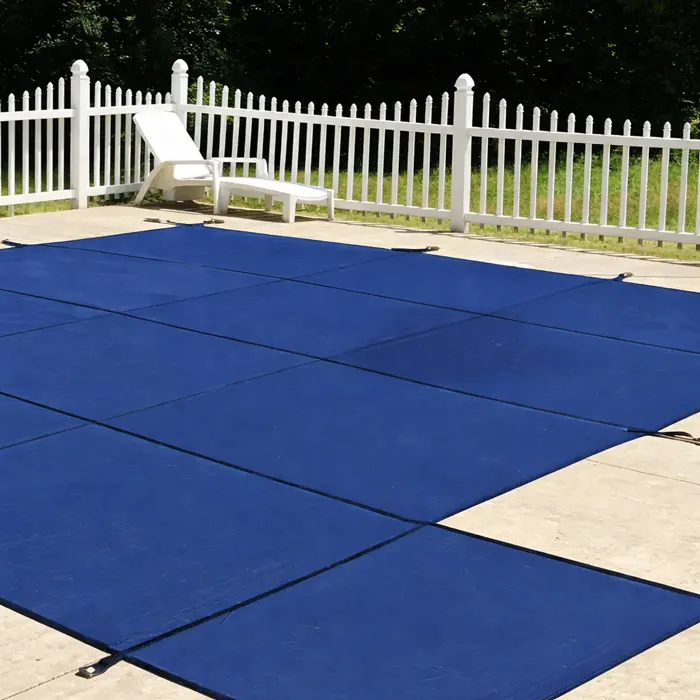
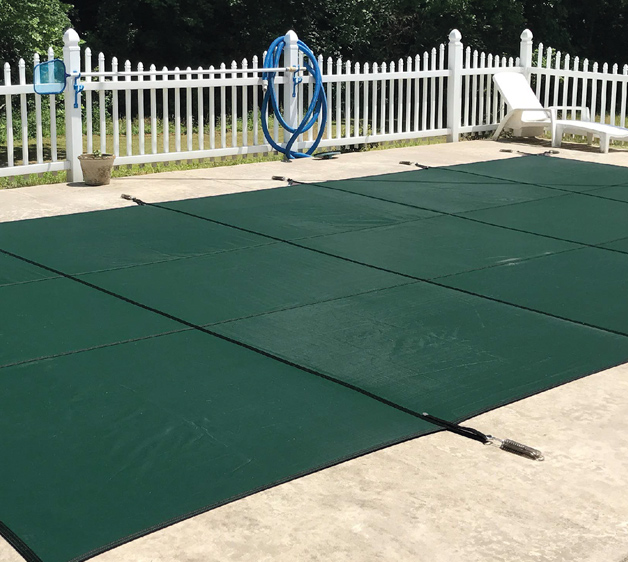
1. Covering water reservoirs and water sources Anti-evaporation nets are commonly used to cover pools, ponds, and water storage tanks. These nets effectively reduce water evaporation and significantly increase water retention.
2. Agriculture and horticulture In farms and orchards, anti-evaporation nets help maintain soil moisture and reduce irrigation needs. They are especially useful in dry and semi-dry regions.
3. Use in arid regions In areas with high temperatures and low humidity, water evaporates much faster. Using anti-evaporation nets helps reduce water loss and extends the lifespan of water resources.
Anti-evaporation nets and improvement of agricultural performance
Anti-evaporation nets are an agricultural innovation that improves crop performance under harsh conditions. By reducing water evaporation and preserving soil moisture, they help plants grow in more optimal conditions. As a result, irrigation needs decrease, and farmers can use water resources more efficiently.
These nets are particularly beneficial in low-water or dry farming areas, as they can extend crop growth periods. Additionally, soil moisture retention improves product quality and increases yield.
🌞 Anti-evaporation nets and climate change
One of the major challenges farmers face is climate change and temperature fluctuations. In recent years, with rising global temperatures and declining water resources, the need for water management solutions has become more important than ever. Anti-evaporation nets are an effective tool to combat climate change by helping retain soil moisture and reduce water consumption in agricultural projects.
By using these nets, farmers can minimize water evaporation under strong sunlight while still allowing airflow to prevent plant damage or decay. Therefore, anti-evaporation nets act as a natural protector of water resources.
🌍 Anti-evaporation nets: a tool for sustainable agriculture
One of the key features of anti-evaporation nets is that they support sustainable farming practices. Sustainable agriculture focuses on efficient use of natural resources and environmental protection. These nets play an important role in reducing water waste and promoting sustainability.
With their use, farmers can minimize frequent irrigation and reduce water consumption while maximizing land and resource efficiency. This leads to higher productivity and lower costs, making anti-evaporation nets a key tool in sustainable agriculture and natural resource management.
🌿 Types of anti-evaporation nets and selection criteria
Anti-evaporation nets are produced in different types with varying shading percentages and resistance levels to meet different agricultural and horticultural needs. They are usually available in shading levels from 50% to 90% and can be selected based on crop type and environmental conditions.
For plants requiring less sunlight, higher shading nets are suitable, while for sun-loving crops, lower shading percentages are more appropriate. Therefore, selecting the right type depends on the specific needs of the crop and the farmer.